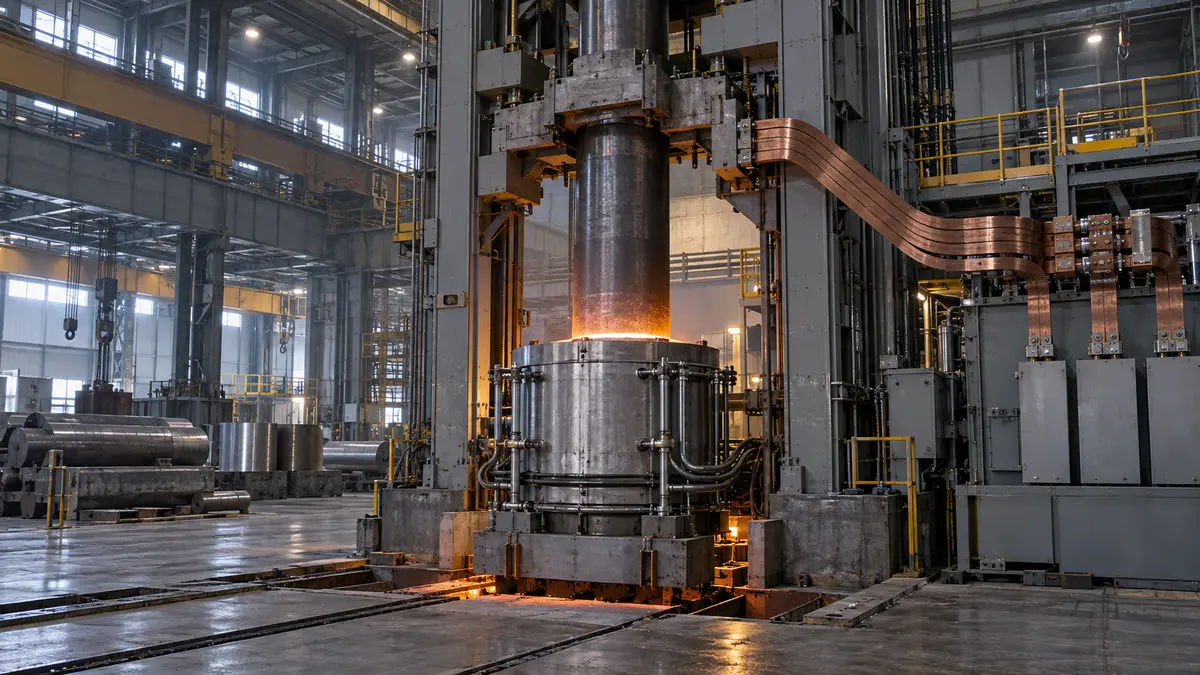
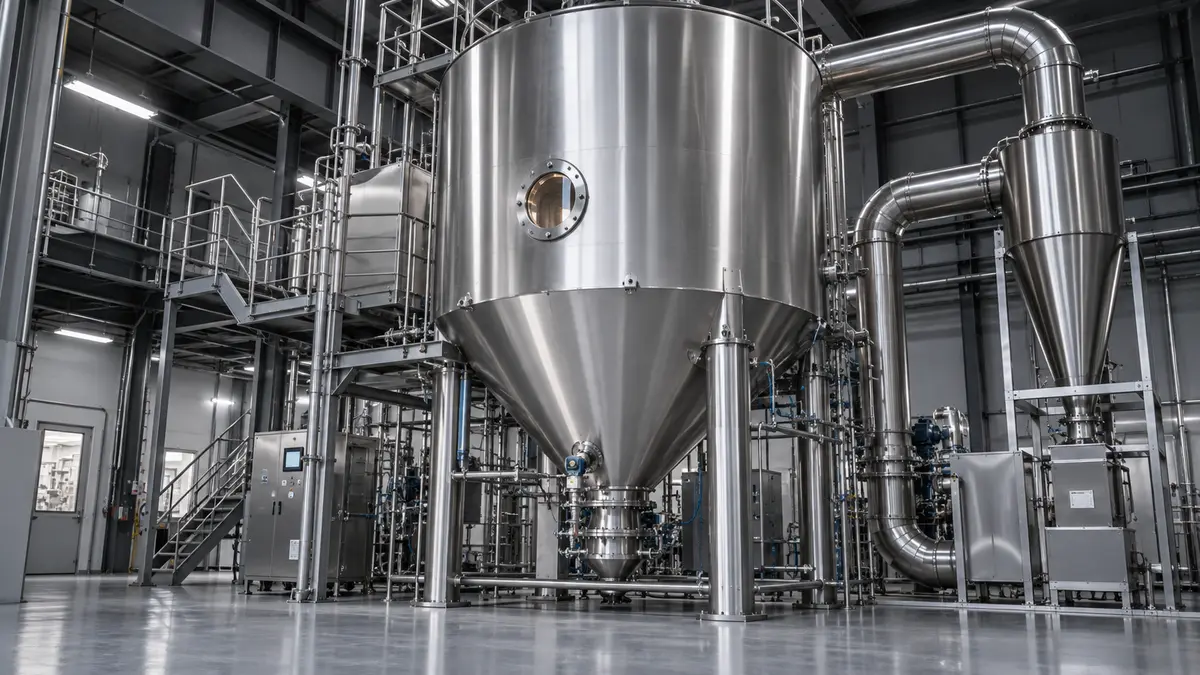
AEM Spetsstal, part of Rosatom's engineering division, commissioned an electroslag remelting facility in St. Petersburg, Russia, on 18 July 2025. Interfax's correspondent attended the ceremony. Deputy chief executive Andrei Nikipelov said the furnace had been built within a year and would begin scheduled special-steel production that day.
- The facility measures 15 metres across and 20 metres high.
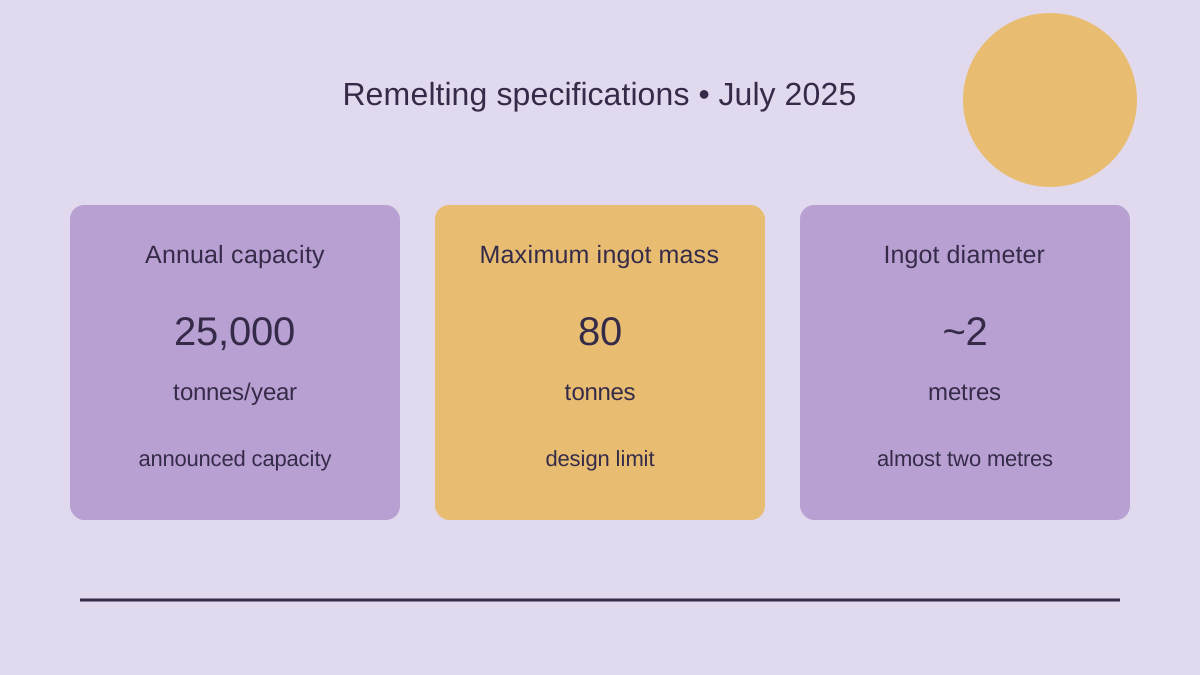
- It is designed for ingots almost two metres in diameter and weighing up to 80 tonnes.
Capacity and steel characteristics
Rosatom's announcement said the equipment would increase annual electroslag-remelted ingot capacity 3.5-fold, to 25,000 tonnes. The company said engineering solutions developed domestically would reduce material and electricity consumption, and reaching full capacity would create additional jobs.
The remelting process produces alloys with low levels of impurities and gases, improved structure and stronger mechanical properties, according to Rosatom. The company described applications in equipment exposed to high temperatures, pressure and radiation, including nuclear and thermal power, petrochemicals and aircraft manufacturing.
Orders and neighbouring production
Vedomosti North-West reported that the plant was working on blanks for 13 reactor units being built abroad and RITM-200 installations for icebreakers and small nuclear plants. Engineering-division head Igor Kotov said the new facility would expand the range of blanks and enable supplies to thermal power and petrochemical customers.
Vice-governor Kirill Polyakov also referred to an agreement for nuclear-power turbine manufacturing in the Kolpino district. The planned factory would be located beside AEM Spetsstal and Izhora, with implementation scheduled for 2028, the newspaper reported.
Earlier forging-equipment modernization
A separate Mediapaluba report dated 13 February 2024 described completed overhauls of the plant's automated forging complexes rated at 3,200 and 6,000 tonnes-force, together with heating furnaces. It reported an average 8% improvement in forging accuracy and speed and shorter scheduled repairs. Furnace upgrades nearly doubled load-bearing capacity, permitting more blanks to undergo production simultaneously and reducing heating losses. The work was conducted as planned maintenance while production maintained its pace.


Leave a comment