The Big ReadTechnology
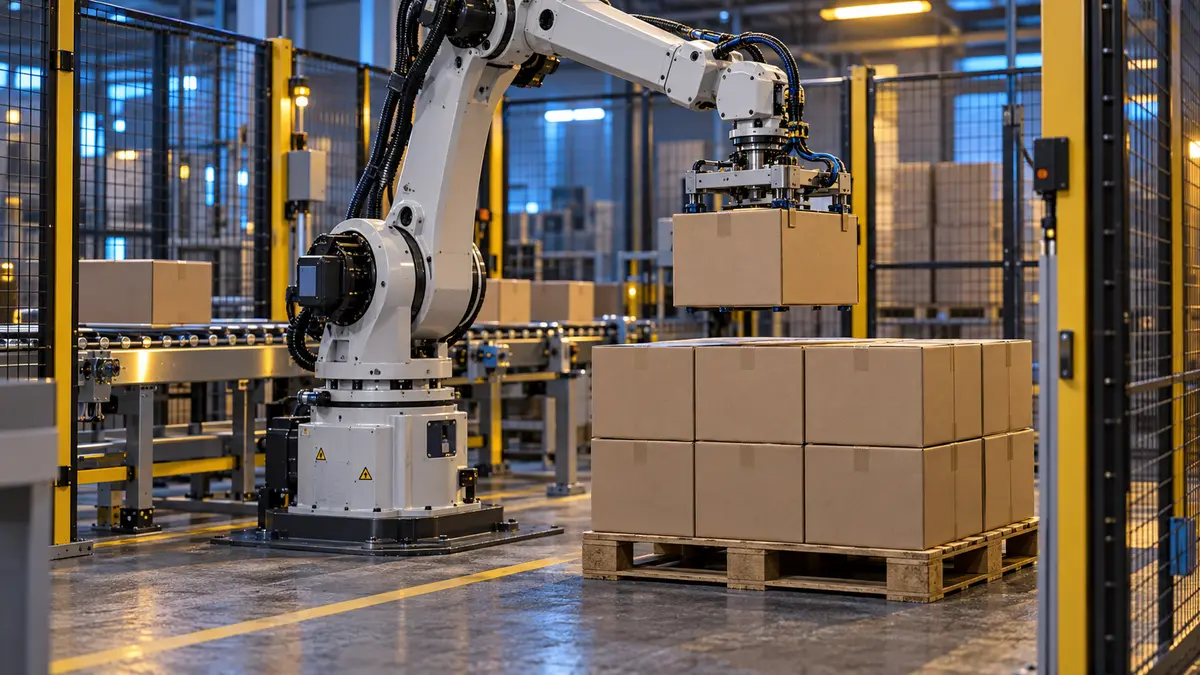
Russia’s industrial robot programme reaches factories
Russia’s robotics programme combined regional centres, factory projects and training with a national deployment target.
Explore the story ↗Russia’s robotics programme combined regional centres, factory projects and training with a national deployment target.
Explore the story ↗SkyGate NHJ announced a two-phase manufacturing investment in Penang. Its chief executive described automation plans, expected technical jobs, and future sales.
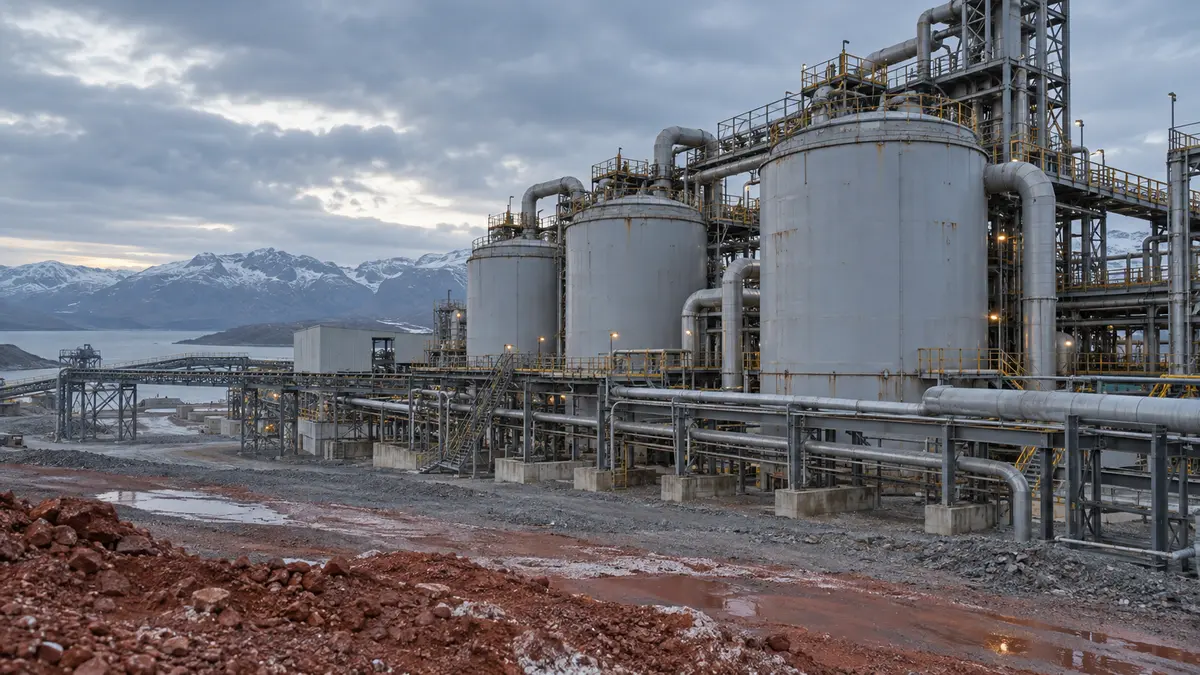
Udokan’s hydrometallurgical plant was launched during the Eastern Economic Forum. Earlier project reports outline mining, first concentrate and equipment tests.
Kyrgyzstan holds its rate at 12% after cuts, renewed tightening and money-market changes.
The Yermakovskoye beryllium plant has been launched in Buryatia. Prior project records describe investment plans, development-zone support and power connection.
Kazakhstan’s published rate decisions, 2023–2026.
Tajikistan’s rate decisions connect inflation, reserve requirements and banking liquidity.
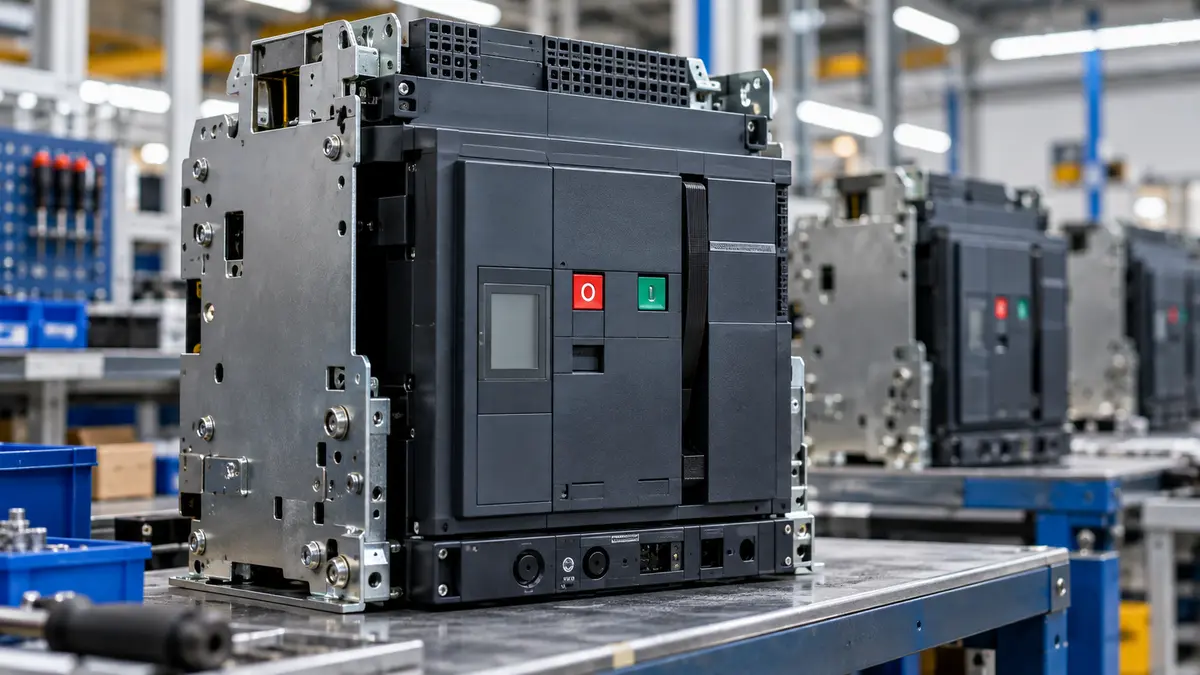
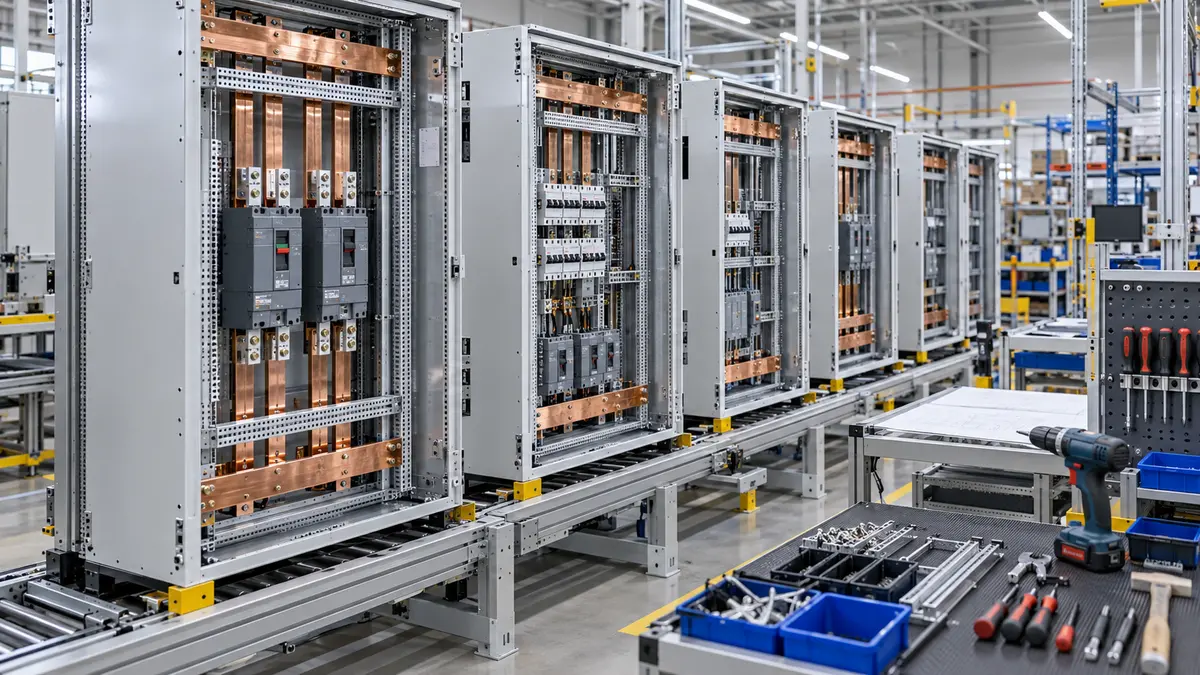
Systeme Electric opens a breaker assembly workshop in Kommunar. The governor described localisation plans, shorter production times and regional supplier links.
Bank St Petersburg plans to consider a payout of 50% of first-half 2026 IFRS profit. The accounts were scheduled for August; no dividend approval was announced.
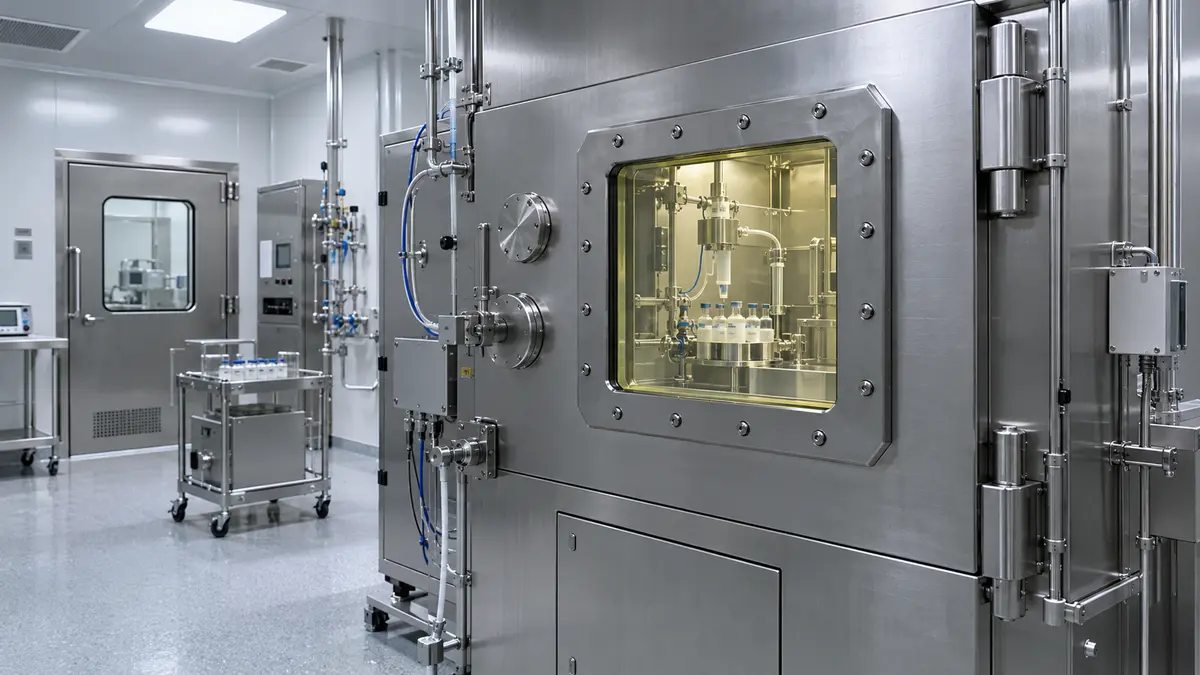
Dated production projects, laboratory development and delivery routes frame the ministry’s July 2026 account of domestic radiopharmaceutical manufacturing.
May output rose 0.9%; orders, automotive units and earlier revised releases provide the context.
A Russian working group backed Khakassian Technology Valley plans. The proposed zone covers 312 hectares; first-stage projects envisage over 25 billion roubles.
Published decisions trace tightening, delayed easing and renewed rate increases.
Published decisions trace Czech monetary tightening, easing and the return to a rate increase in June 2026.
Kurali outlines conditions for possible rate cuts.
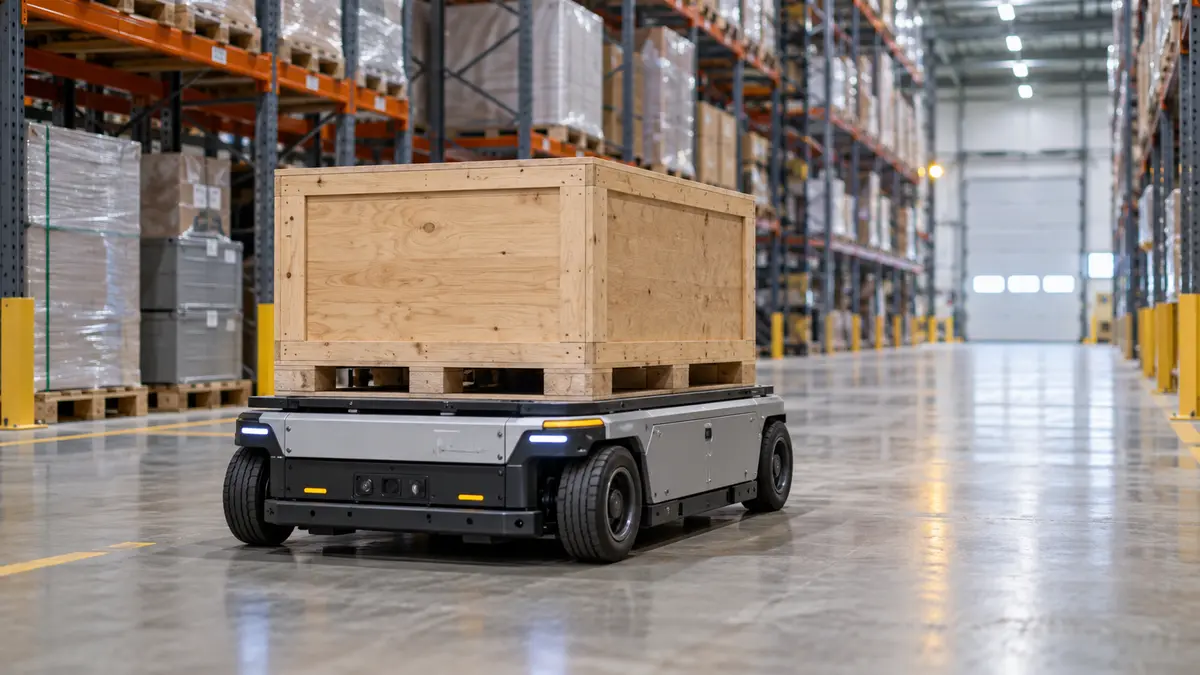
Semargl has opened its Novoorlovskaya factory. Prior notices chart the warehouse-robot project from the 2023 proposal to construction and a planned 2026 launch.
Kazakhstan approved a 42.5-billion-tenge Karaganda pharmaceutical project. The planned programme covers 74 medicines, modernization and around 70 new positions.
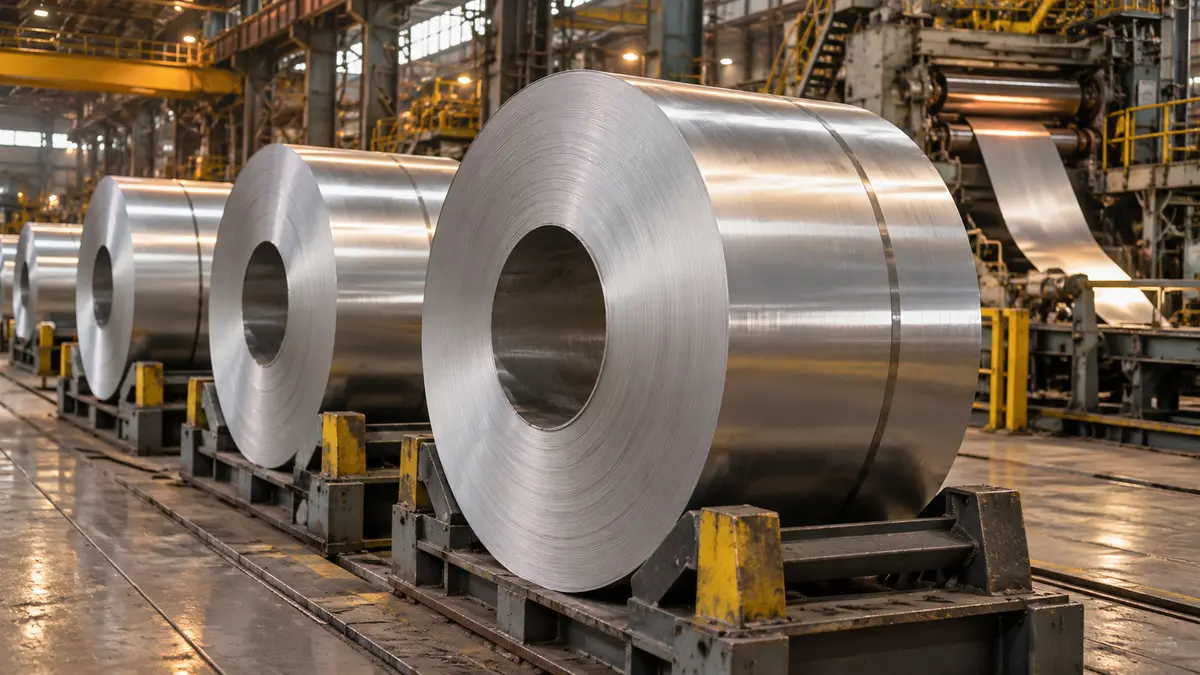
Russia produced 4.6 million tonnes of finished rolled steel in April, down 8.1% year on year. Preliminary Chermet figures show reduced January-April production.
Contracts, plant commissioning and water networks.
Russian industrial output rose 2.3% year on year in March 2026. First-quarter growth was 0.3%; manufacturing and mining showed different quarterly trajectories.
Hotel classification spans registration, star assessment and expert preparation.
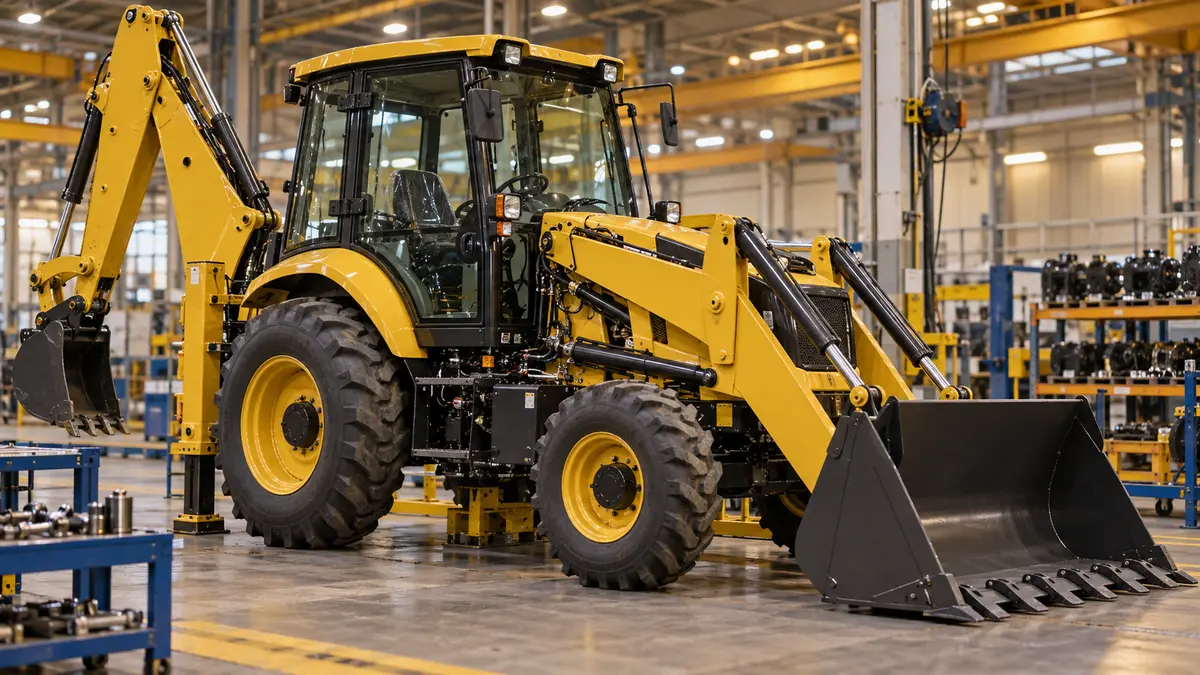
Tosno restarted backhoe-loader production using licensed technology. The plant targets 300 machines in 2026, followed by higher annual output and worker growth.
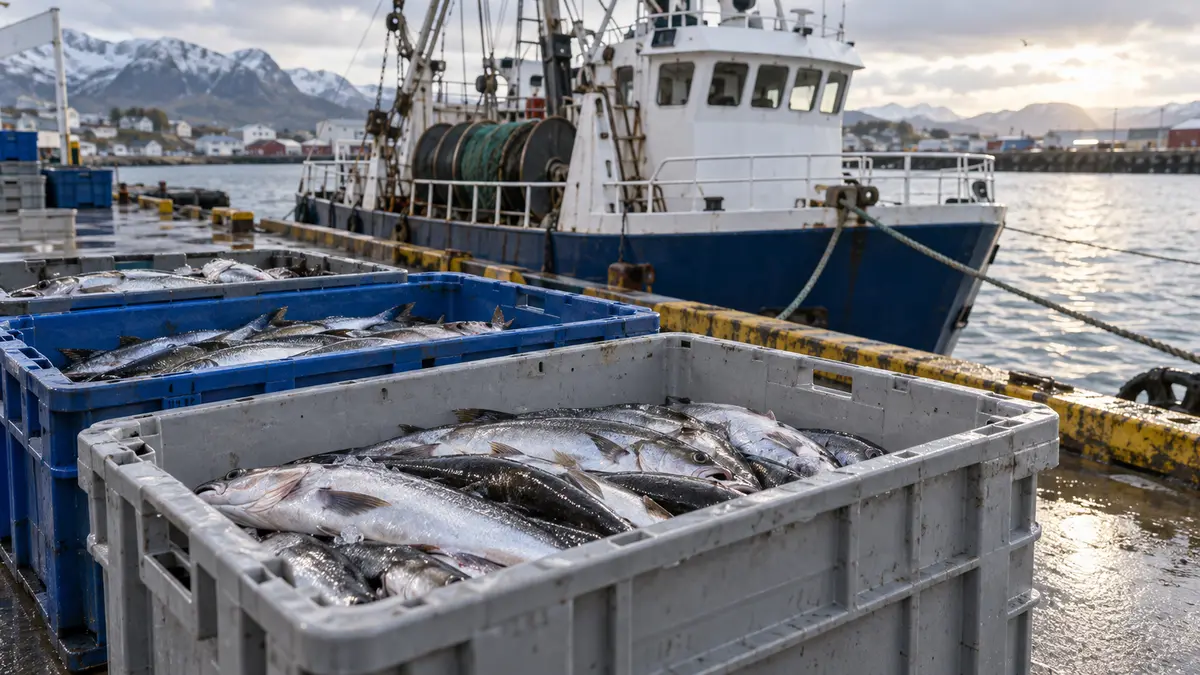
Russia’s lower catch masks different paths for pollock, herring and other species. Dated reports show how basin totals and export measures changed.
The Philippine rate cut follows years of inflation control, with confidence and uneven credit transmission shaping the scope for support.
A rate cut follows changes to liquidity operations and money-market benchmarks.
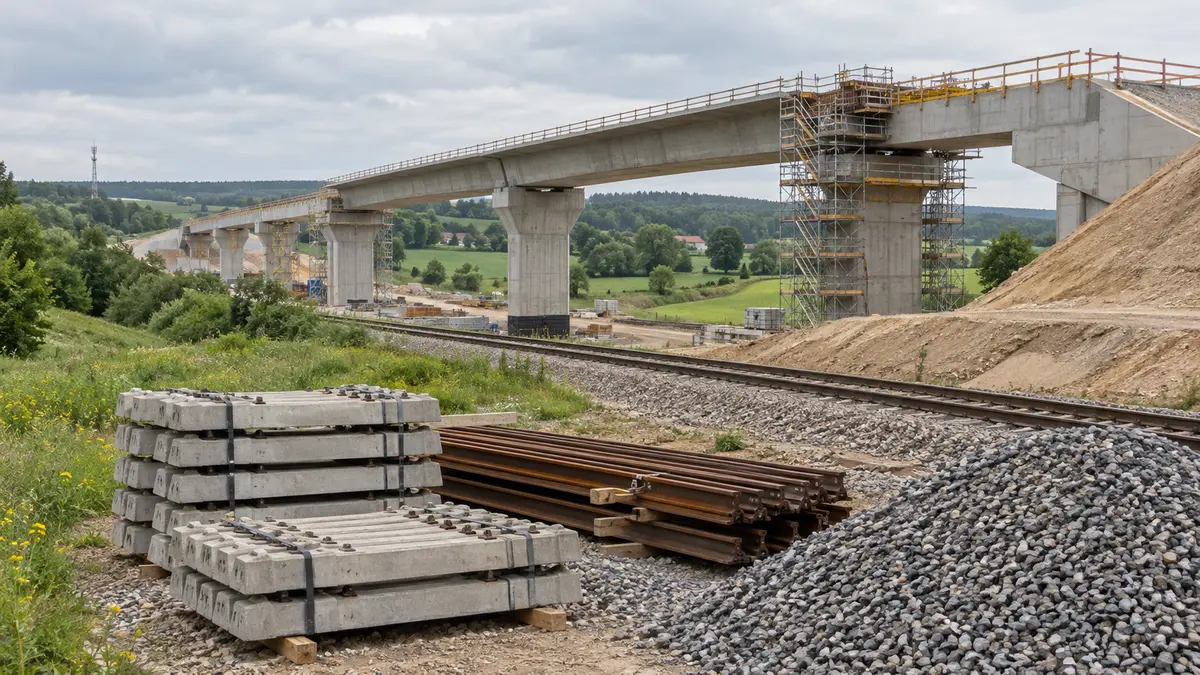
The January 2026 transport audit meets a mixed construction record across European railways, tunnels, waterways and roads.
Published rate decisions and inflation forecasts, 2022–2025.
Australia's December hold followed three cuts in 2025. The earlier policy record shows how inflation, household demand and labour conditions shaped successive decisions.
Dated decisions trace tightening, mortgage transmission and easing through November 2025.
Israel lowers its rate to 4.25% after a long hold shaped by inflation and supply constraints.
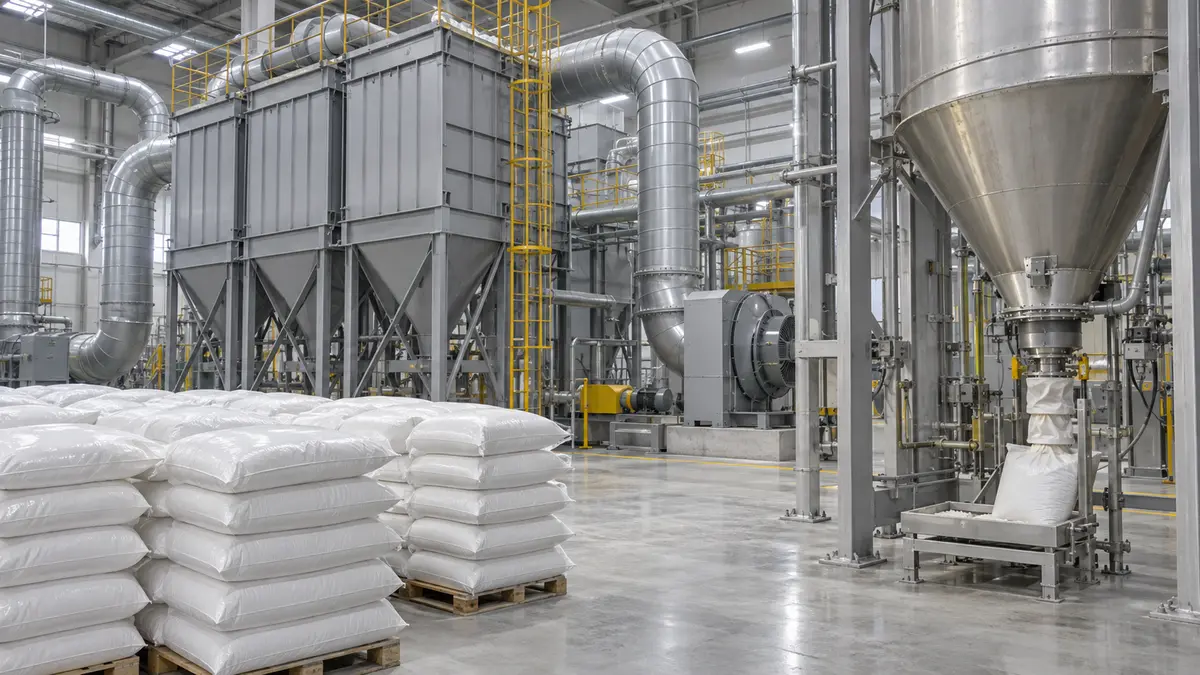
Empils-Zinc commissioned a zinc oxide factory in Rostov-on-Don. The project relocates production and provides scope to expand its annual manufacturing capacity.
Ghana’s policy decisions connect inflation, reserve requirements and bank lending.
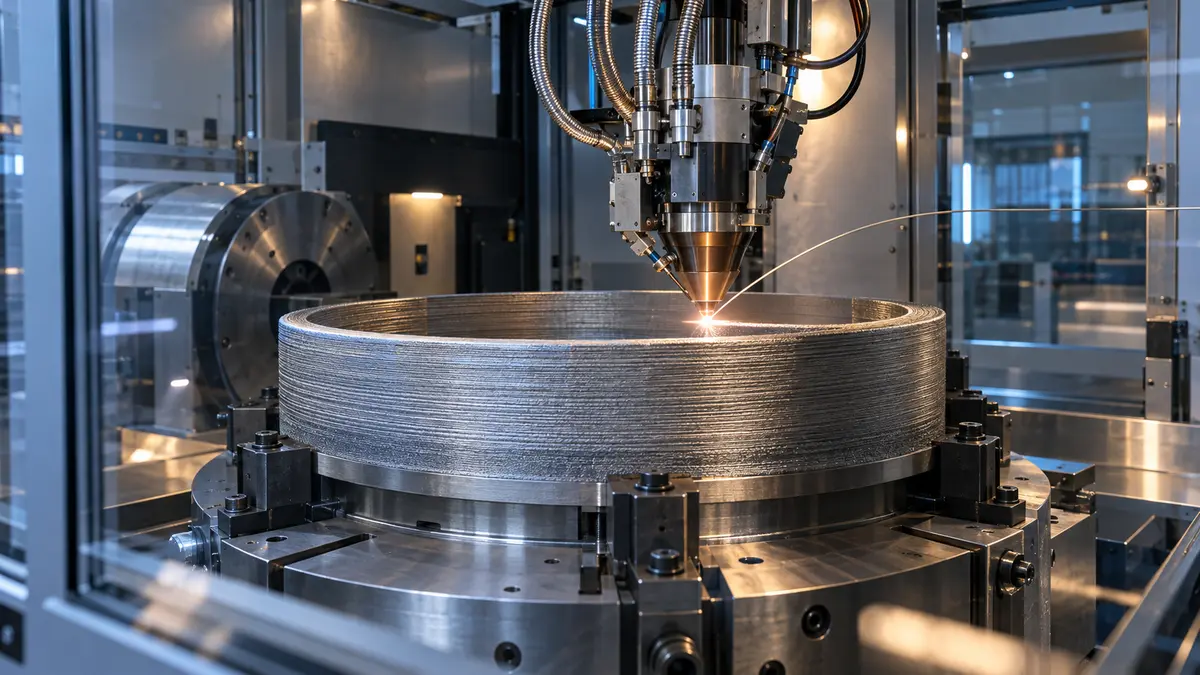
GKN Aerospace plans an additive line in Newington for aircraft-engine components. The project would combine fabrication and finish machining at the US facility.
Natron closed Michigan and California battery facilities, affecting 95 employees. The closure also halted its North Carolina factory plans after funding failed.
Mine upgrades, separation trials and magnet-production plans trace the Russian rare-earth chain through September 2025.
SIBUR received its first hexene at Nizhnekamskneftekhim during commissioning; the earlier equipment and power-system milestones trace the project’s development.
Moldova cuts its rate to 6.25% after tariff shocks and uneven changes in bank borrowing costs.
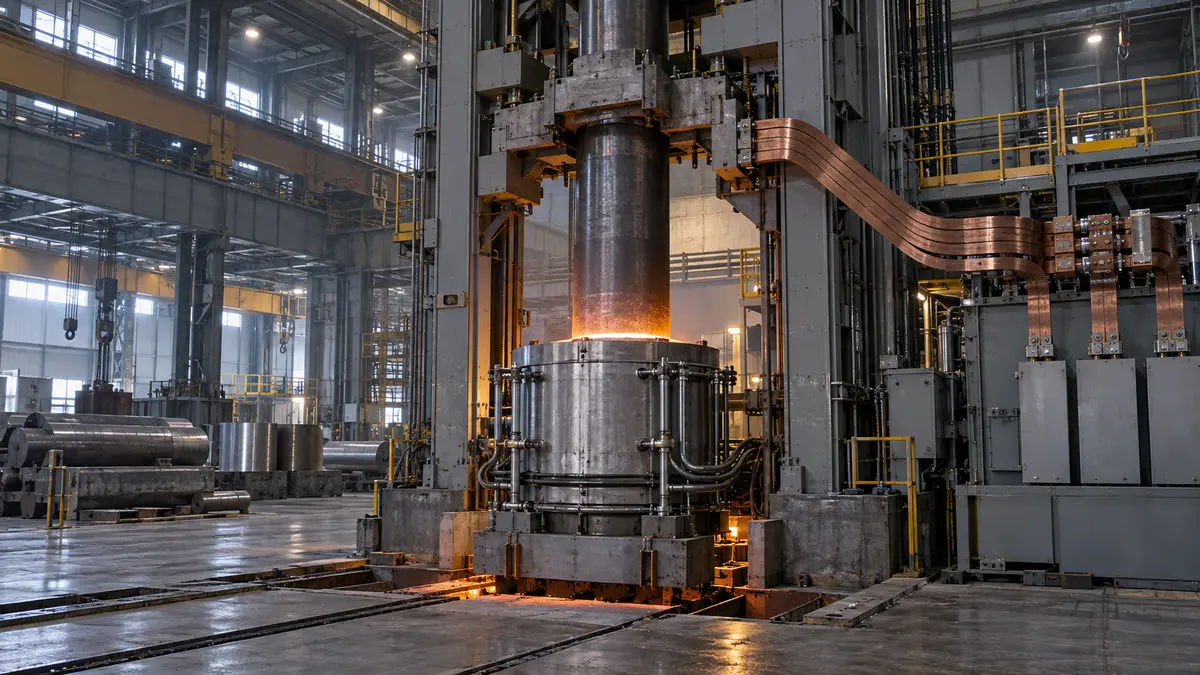
AEM Spetsstal commissioned an electroslag remelting facility in St. Petersburg. Rosatom says capacity can rise to 25,000 tonnes a year for special-steel ingots.
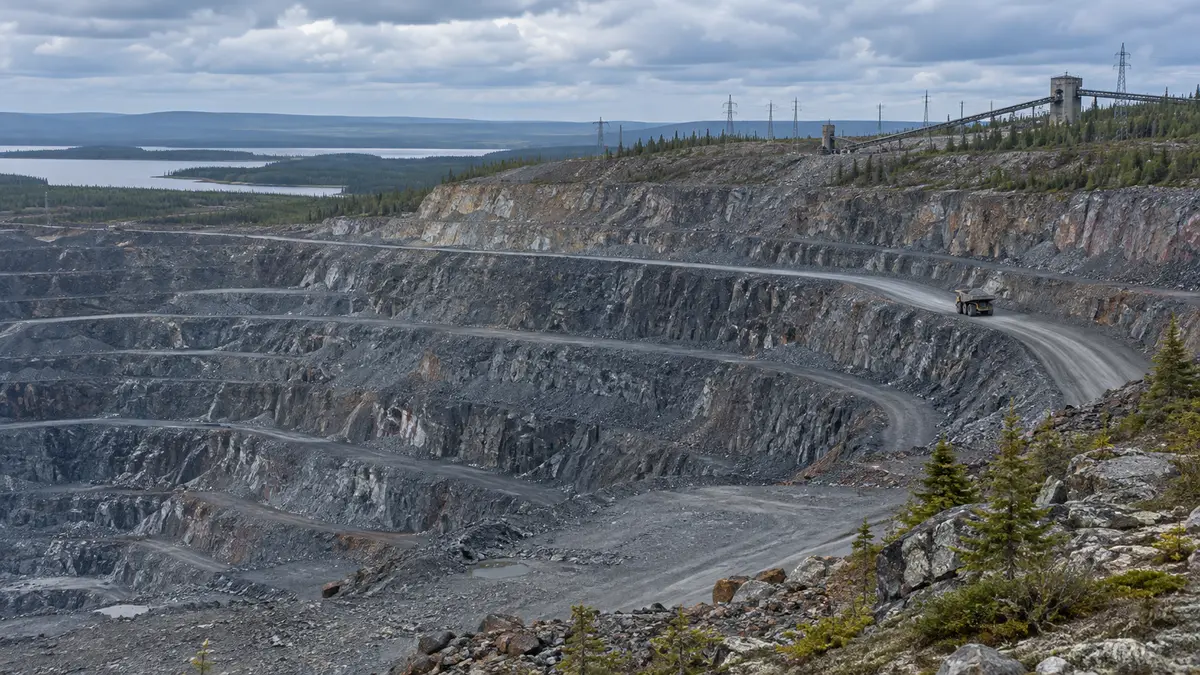
Olkon begins a project exceeding five billion rubles with infrastructure relocation planned by 2030 and open-pit mining envisaged until 2044–2045 in Olenegorsk.
Rate cuts meet reform priorities.
Ural opened two axle-component sections in Miass, targeting full axle production in January 2026. This project envisages eleven manufacturing sections in total.
Gold purchases lifted Australian exports to the US; dated trade releases trace commodity and import movements.
April 2025 shipping negotiations drew on emissions data, efficiency rules and programmes supporting developing countries.
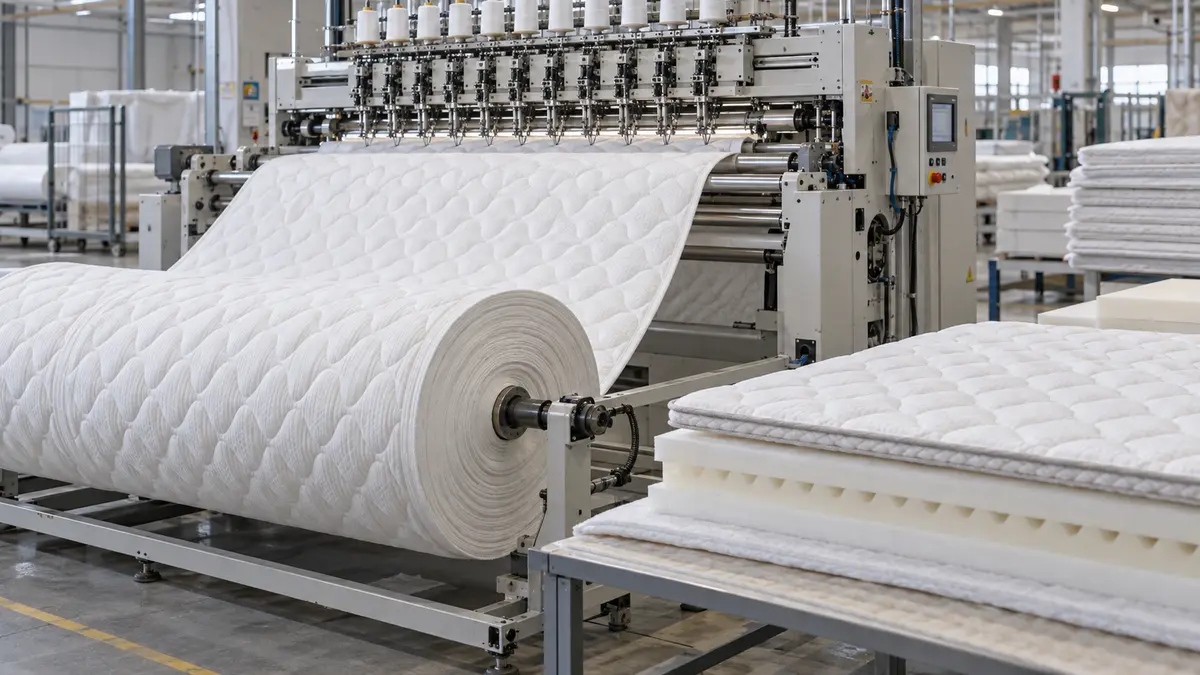
Ormatek sets a preliminary year-end production target for its Rostov plant. Earlier reports trace factory investment and separate mattress and furniture output.
Jabil opened its Chuping factory in Perlis. The April 2025 ceremony followed completion in 2024, adding a manufacturing location to its large Malaysian network.
Luzales-Tikhvin reported 18,000 furniture items in January 2025, up 88% year on year. Its medium-term production goal remains 25,000 items per month, it stated.
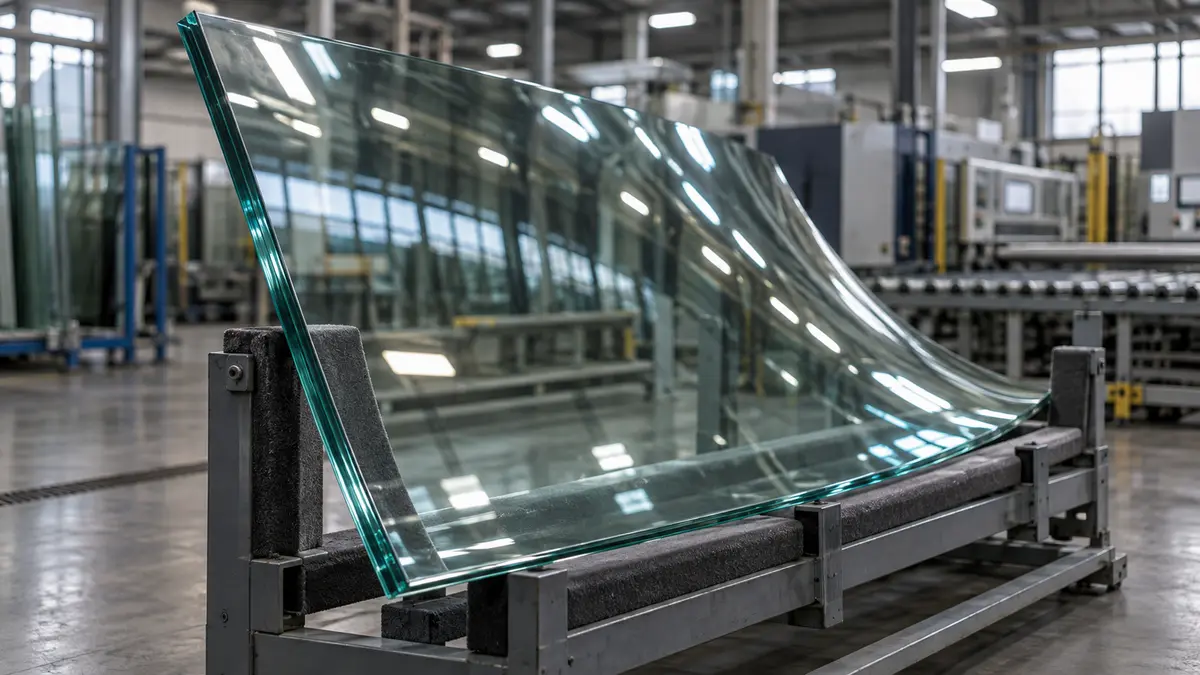
Modern Glass launched curved architectural glazing in Chelyabinsk. Investment exceeded two billion roubles; planned annual output is up to 12,000 square metres.
Mexico’s rate cuts follow a long inflation fight, with core prices, revised forecasts and trade uncertainty shaping cautious easing.
February 2025 output barely grew; dated releases show calendar effects, sector divergence and revisions.
Ischebeck Titan expects to complete Dinskoy complex in 2026. The first production building was constructed and entering commissioning, with the second underway.
LSR's 2024 IFRS net profit rose 1% to 28.598 billion rubles. Revenue reached 239.227 billion, while prior reports detail housing sales and the Moscow land bank.
Siemens opened electrical-product facilities in Texas and California. Earlier announcements trace its manufacturing investment, workforce and software programs.
Thailand’s February rate cut follows pandemic support, gradual tightening and persistent manufacturing and credit constraints.
EP-600 has produced its first ethylene during commissioning at Nizhnekamskneftekhim. Sibur reports shipments went to downstream plants; capacity is a 2025 goal.
Dated Federal Reserve releases place the December factory rebound alongside quarterly contraction, earlier production interruptions and statistical revisions.
EFKO reported 15% export growth in December 2024, driven by Asian markets. Prior logistics plans and industry figures put the company’s announcement in context.
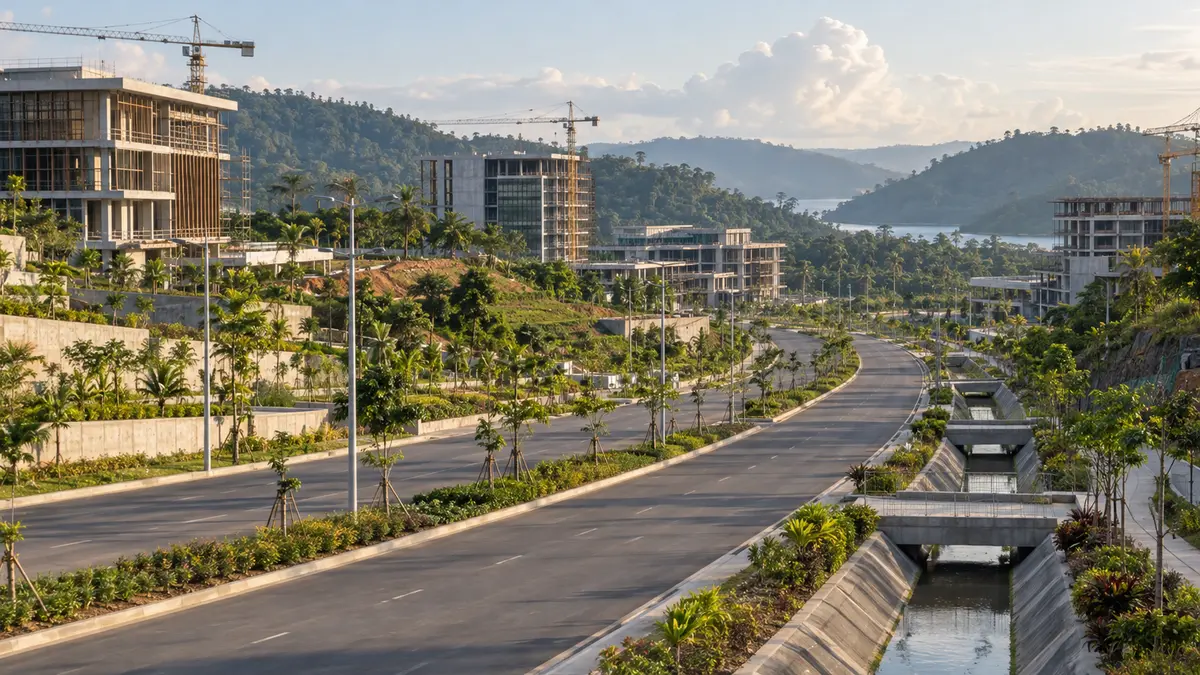
Nusantara’s programme covered utilities, public services and investment stages.
Dated decisions trace tightening and easing through December 2024.
LinkAja and Alliex held talks on a regional payment network. Their chief executives agreed to sign a confidentiality agreement and review areas for cooperation.
The December 2024 poll follows years of uneven growth and changing forecasts.
Malaysia posted 5.3% growth for the third quarter of 2024. Investment and exports supported expansion; the central bank has published inflation and credit data.
Sweden’s published rate decisions, 2020–2024.
Binnopharm reported production upgrades, registrations and international cooperation talks.
A preliminary contraction joins a dated record of household spending, investment, trade and revisions in Swedish national accounts.
Armenia’s October rate cut followed pandemic stimulus, inflation-driven tightening and renewed easing. Dated bank statements trace changes in demand, prices and policy risks.
Lenta reported third-quarter 2024 net profit of RUB 4.36 billion, seventeen times the year-earlier figure. Old results and the Monetka purchase provide context.
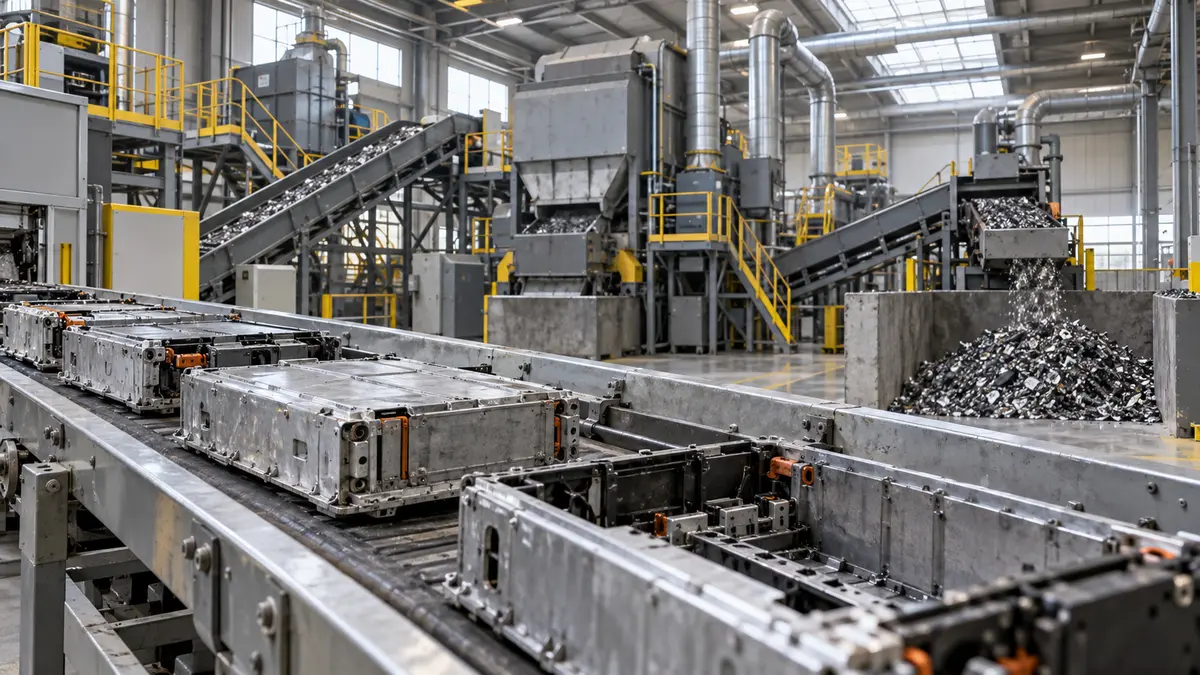
European recyclers connected collection networks, mechanical treatment and metal recovery while developing new plants and battery material qualification.
Kenya’s October rate cut follows pandemic support, inflation tightening and interbank reforms.
Absa’s manufacturing PMI rose to 52.8 in September, reversing August’s slump as demand improved, although employment remained a challenge.
Bank Indonesia’s September 2024 cut followed pandemic easing and subsequent tightening. Earlier decisions trace inflation, currency risks, liquidity incentives and bank lending.
Abi opened a Vladimir meat-processing factory on 8 August. The RUB 8.8 billion project forms part of its expansion programme, with capacity of 500 tonnes a day.
VTB said August 2024 that it had secured approval for a future Post Bank merger in 2026. Earlier negotiations and founding documents explain the bank’s origins.
Rostelecom expects business growth in 2024 but withholds detailed financial guidance. Its second-quarter revenue rose 9%; earlier reports add operating context.
X5 reported second-quarter 2024 sales of RUB 963.9 billion, up 25.1%. Earlier quarterly reports and its Siberian acquisition provide relevant historical context
Russia set out an alumina refinery and four-smelter modernization programme. The ministry estimate exceeds 980 billion rubles for the refinery and the upgrades.
Evraz raised Uzlovaya vanadium-plant cost estimate to $260 million. Construction continued, with production targeted for summer 2025 and equipment installation.
The IMF urged cautious rate cuts in May 2024. Earlier bank statements document the pandemic cuts, subsequent tightening and gradual return toward lower rates.
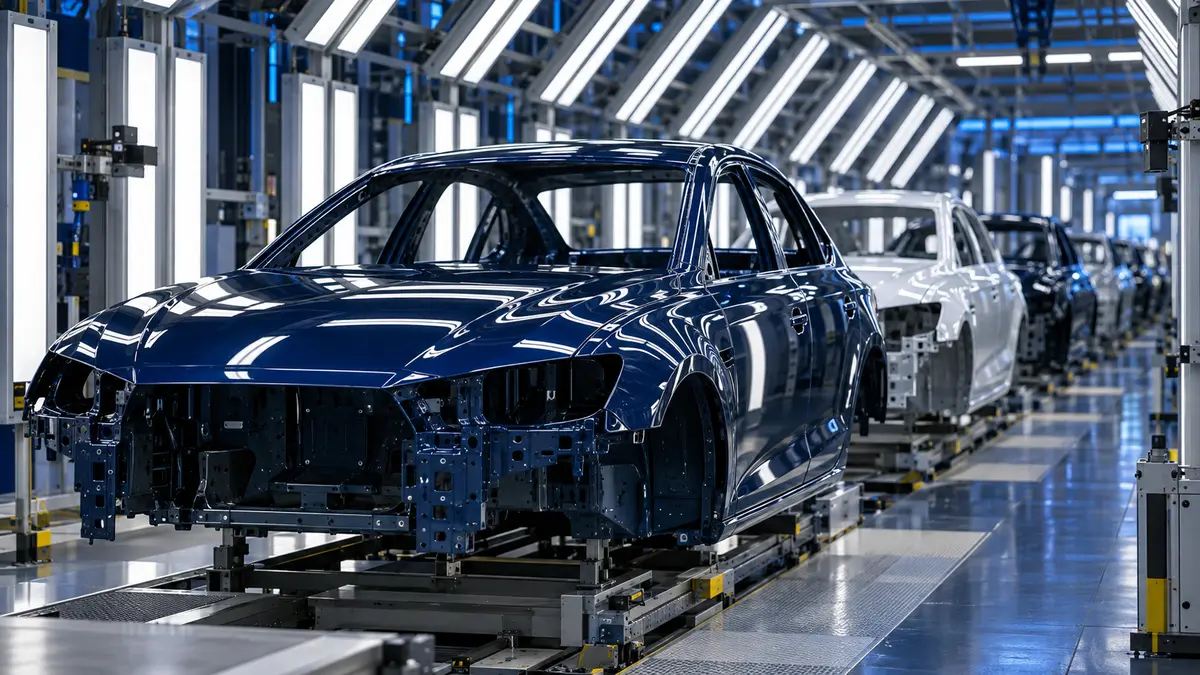
Moskvich launched full-cycle manufacturing in Moscow on 13 May 2024. Welding and painting join assembly, with jobs and a plan for deeper component localization.
Severstal retained its forecast for Russian steel demand to grow 1–2% in 2024. Historical production and an earlier global outlook give separate market context.
Severstal gained full control of the Taganrog wind-tower plant through a subsidiary purchase. Earlier delivery records describe manufacturing history and scale.
Severstal bought A Group’s distribution business in April 2024. The agreement excludes manufacturing plants; earlier results and a Latvian sale provide context.
Türkiye’s March rate increase caps a shift from supportive finance to tighter policy, with credit, deposits and liquidity shaping transmission.
A January rebound followed two contracting quarters; dated ONS releases show sector offsets, rolling-quarter weakness and revisions.
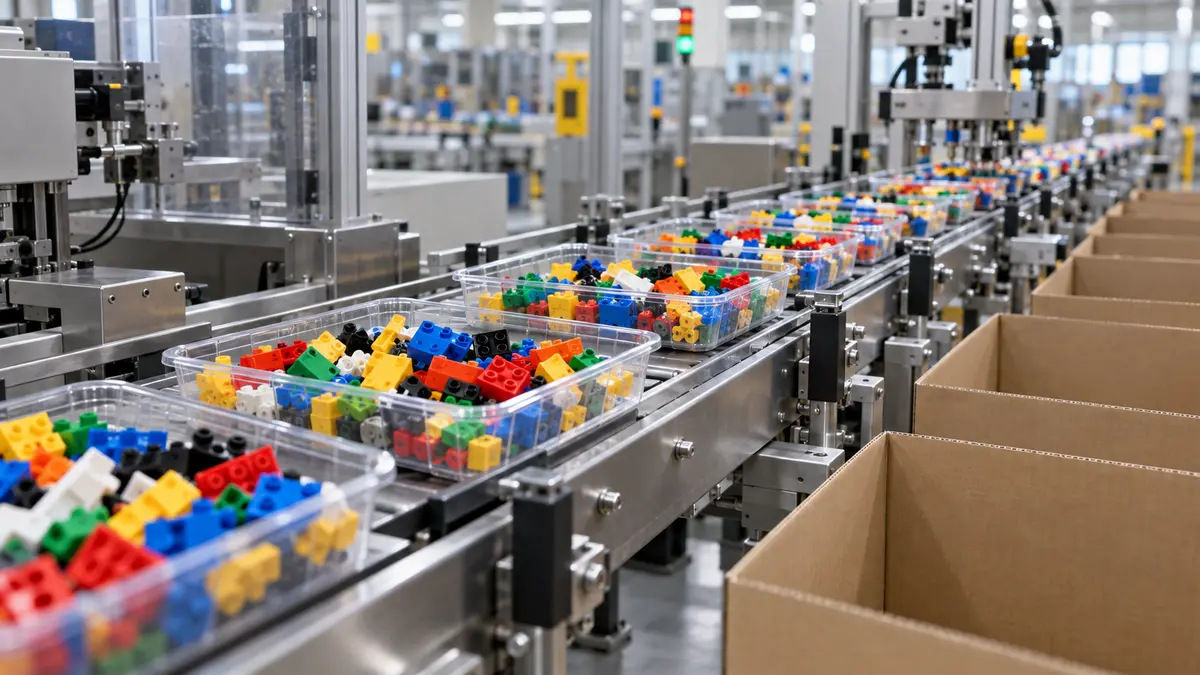
LEGO targets full Virginia production in 2027, with a contractor and program leader designated. The temporary packing site is operating now in Colonial Heights.
Bayer announces a $2.2 billion pharmaceutical campus investment in Ohio.
The new manufacturing facility is expected by 2028.
Hovione opened a New Jersey facility completing its $100 million U.S. investment cycle.
The project targets customer deliveries in 2029.
INNIO plans to expand manufacturing in Waukesha.
A five-year programme would expand the existing facility.
EPMB opened its chassis facility in Tanjong Malim.
The planned site would manufacture several medicine types.
A 1.8-litre engine accompanies the model’s equipment update.
Body stamping expands the group’s component manufacturing.
The planned Texas facility would add 4 GW of annual module capacity, with operations expected in Q3 2026.
Two replacement turbines complete the generating-equipment project.
Additional investment covers two Lebanon sites; the genetic-medicine facility opened on 6 May.
AIXTRON agreed with Malaysia’s investment agency on its planned Penang factory.
Atlas Copco opened its Alam Impian headquarters and integrated facility, supporting regional coordination and shared finance services.
A new complex begins with testing before planned production expansion.
Battery production begins at the North Carolina facility.
Construction accompanies plans for added baked-snack production.
Hitachi Energy includes a USD 457 million Virginia transformer factory in its US manufacturing programme. Operations are targeted for 2028.
Expanded manufacturing capacity for one-piece toilets.
Polymetal announces a Sverdlovsk gold-processing project with investment exceeding RUB 45 billion and operations planned for 2029.
Modernisation spans production, energy and storage.
Vladimir Sedov has regained full control of Askona following a completed buyback.
Dialight plans an August inauguration for its consolidated Penang plant, bringing solid-state lighting and optoelectronics production together.
Mosca inaugurated its expanded strapping-equipment manufacturing facility in Johor on 10 June.
HORIBA targets January 2026 for mass-flow-controller production at its planned Kedah base.
Corning added $600 million to its planned Michigan solar factory investment and raised the job target to 1,500.
SF1 joins the Atlant production line in Yelabuga.
Bonum Trust completed its first Novocherkassk factory stage and established serial production.
Reported 2024 investment reached RUB28.5 billion.
Pilot operation starts at the Seversk fuel module.
Foundation work starts on the future polypropylene extrusion building.
A third dedicated plant supports frozen-sandwich capacity expansion.
Dexcom formally opened its Batu Kawan facility on 12 November 2024.
Arnest plans an approximately $100 million beverage-can factory in Uzbekistan.
Arnest completed the acquisition of Unilever businesses in Russia and Belarus, including four Russian production sites. Transaction terms were not disclosed.
The regional plan concerns a new wind-power facility, with earlier Rosatom projects providing operational context.
The 30% acquisition transferred in April 2024.
LEM opened its Penang current-sensor manufacturing plant on 19 April 2024.
The three-year programme combines electric-vehicle facilities, research and planned hiring.
The programme targets higher sales and profitability through fiscal 2026.
Toyota outlines phased investment in Brazilian manufacturing through 2030.
The new facility combines tractor manufacturing with construction equipment production.
Proposed investment totals $3.24 billion.
Louis Dreyfus plans a Canadian pea-protein plant, targeting readiness by the end of 2025.