The Big ReadTechnology
Russia’s industrial robot programme reaches factories
Russia’s robotics programme combined regional centres, factory projects and training with a national deployment target.
A closer look at companies, choices and connections.
Russia’s robotics programme combined regional centres, factory projects and training with a national deployment target.
Kyrgyzstan holds its rate at 12% after cuts, renewed tightening and money-market changes.
Kazakhstan’s published rate decisions, 2023–2026.
Tajikistan’s rate decisions connect inflation, reserve requirements and banking liquidity.
Dated production projects, laboratory development and delivery routes frame the ministry’s July 2026 account of domestic radiopharmaceutical manufacturing.
May output rose 0.9%; orders, automotive units and earlier revised releases provide the context.
Published decisions trace tightening, delayed easing and renewed rate increases.
Published decisions trace Czech monetary tightening, easing and the return to a rate increase in June 2026.
Kurali outlines conditions for possible rate cuts.
Contracts, plant commissioning and water networks.
Hotel classification spans registration, star assessment and expert preparation.
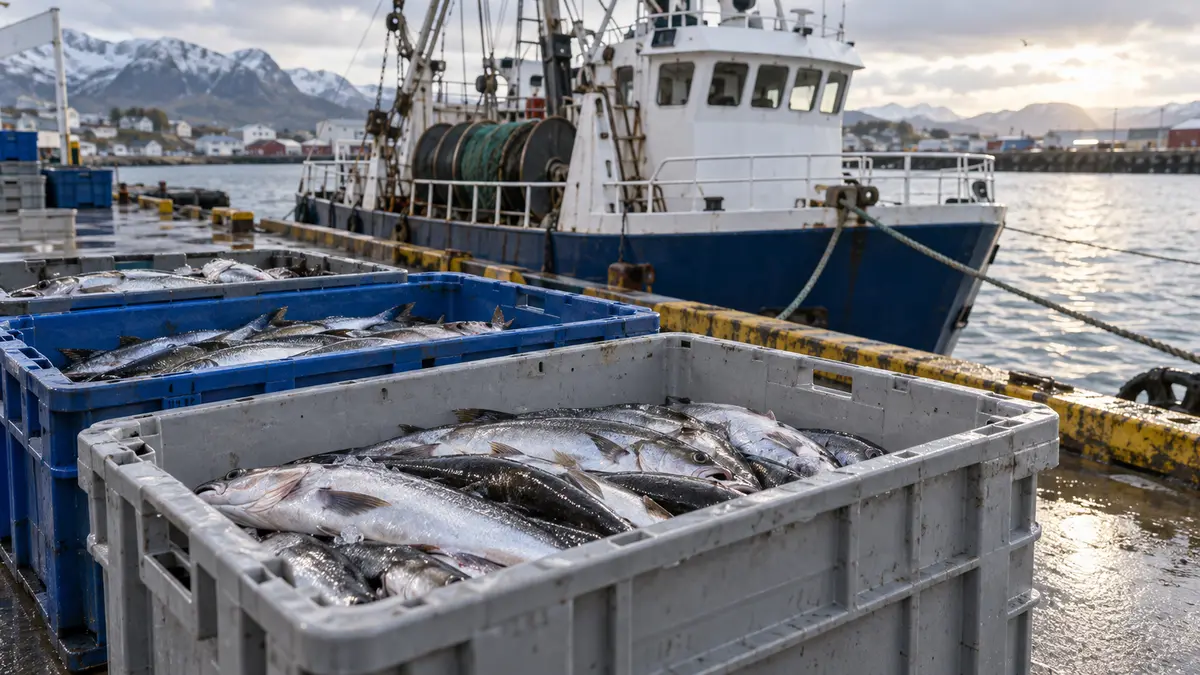
Russia’s lower catch masks different paths for pollock, herring and other species. Dated reports show how basin totals and export measures changed.
The Philippine rate cut follows years of inflation control, with confidence and uneven credit transmission shaping the scope for support.
A rate cut follows changes to liquidity operations and money-market benchmarks.
The January 2026 transport audit meets a mixed construction record across European railways, tunnels, waterways and roads.
Published rate decisions and inflation forecasts, 2022–2025.
Australia's December hold followed three cuts in 2025. The earlier policy record shows how inflation, household demand and labour conditions shaped successive decisions.
Dated decisions trace tightening, mortgage transmission and easing through November 2025.
Israel lowers its rate to 4.25% after a long hold shaped by inflation and supply constraints.
Ghana’s policy decisions connect inflation, reserve requirements and bank lending.
Mine upgrades, separation trials and magnet-production plans trace the Russian rare-earth chain through September 2025.
Moldova cuts its rate to 6.25% after tariff shocks and uneven changes in bank borrowing costs.
Rate cuts meet reform priorities.
Gold purchases lifted Australian exports to the US; dated trade releases trace commodity and import movements.
April 2025 shipping negotiations drew on emissions data, efficiency rules and programmes supporting developing countries.
Mexico’s rate cuts follow a long inflation fight, with core prices, revised forecasts and trade uncertainty shaping cautious easing.
February 2025 output barely grew; dated releases show calendar effects, sector divergence and revisions.
Thailand’s February rate cut follows pandemic support, gradual tightening and persistent manufacturing and credit constraints.
Dated Federal Reserve releases place the December factory rebound alongside quarterly contraction, earlier production interruptions and statistical revisions.
Nusantara’s programme covered utilities, public services and investment stages.
Dated decisions trace tightening and easing through December 2024.
The December 2024 poll follows years of uneven growth and changing forecasts.
Sweden’s published rate decisions, 2020–2024.
Binnopharm reported production upgrades, registrations and international cooperation talks.
A preliminary contraction joins a dated record of household spending, investment, trade and revisions in Swedish national accounts.
Armenia’s October rate cut followed pandemic stimulus, inflation-driven tightening and renewed easing. Dated bank statements trace changes in demand, prices and policy risks.
European recyclers connected collection networks, mechanical treatment and metal recovery while developing new plants and battery material qualification.
Kenya’s October rate cut follows pandemic support, inflation tightening and interbank reforms.
Absa’s manufacturing PMI rose to 52.8 in September, reversing August’s slump as demand improved, although employment remained a challenge.
Bank Indonesia’s September 2024 cut followed pandemic easing and subsequent tightening. Earlier decisions trace inflation, currency risks, liquidity incentives and bank lending.
The IMF urged cautious rate cuts in May 2024. Earlier bank statements document the pandemic cuts, subsequent tightening and gradual return toward lower rates.
Türkiye’s March rate increase caps a shift from supportive finance to tighter policy, with credit, deposits and liquidity shaping transmission.
A January rebound followed two contracting quarters; dated ONS releases show sector offsets, rolling-quarter weakness and revisions.
Logika Moloka has launched Prostokvashino cheeses. Its 2026 portfolio expansion follows the ice cream plant acquisition and prior product research announcement.
Gen Pharma opened its Pirallahi factory on 5 October. The project is valued at 113.9 million manats; the company plans medicine production and regional exports.
Bayer announces a $2.2 billion pharmaceutical campus investment in Ohio.
Pulkovo served 15.6 million passengers in January–September 2026, down 2%. International traffic rose 8% to 3.92 million, with growth in six named destinations.
The new manufacturing facility is expected by 2028.
Hovione opened a New Jersey facility completing its $100 million U.S. investment cycle.