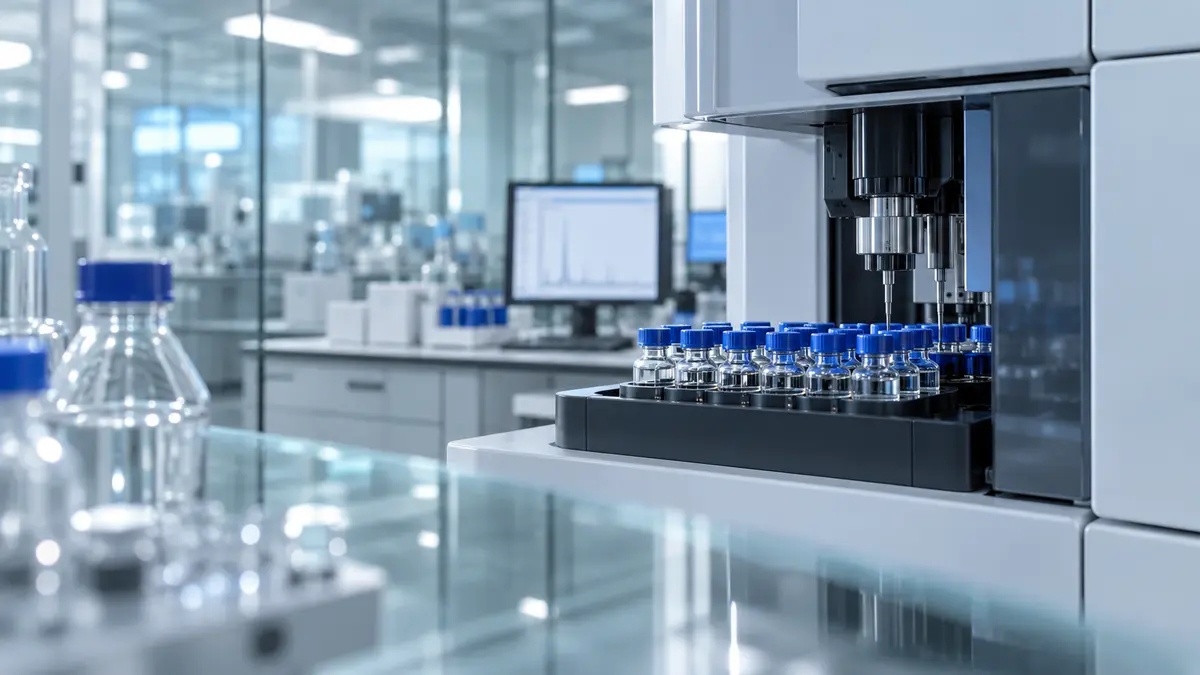
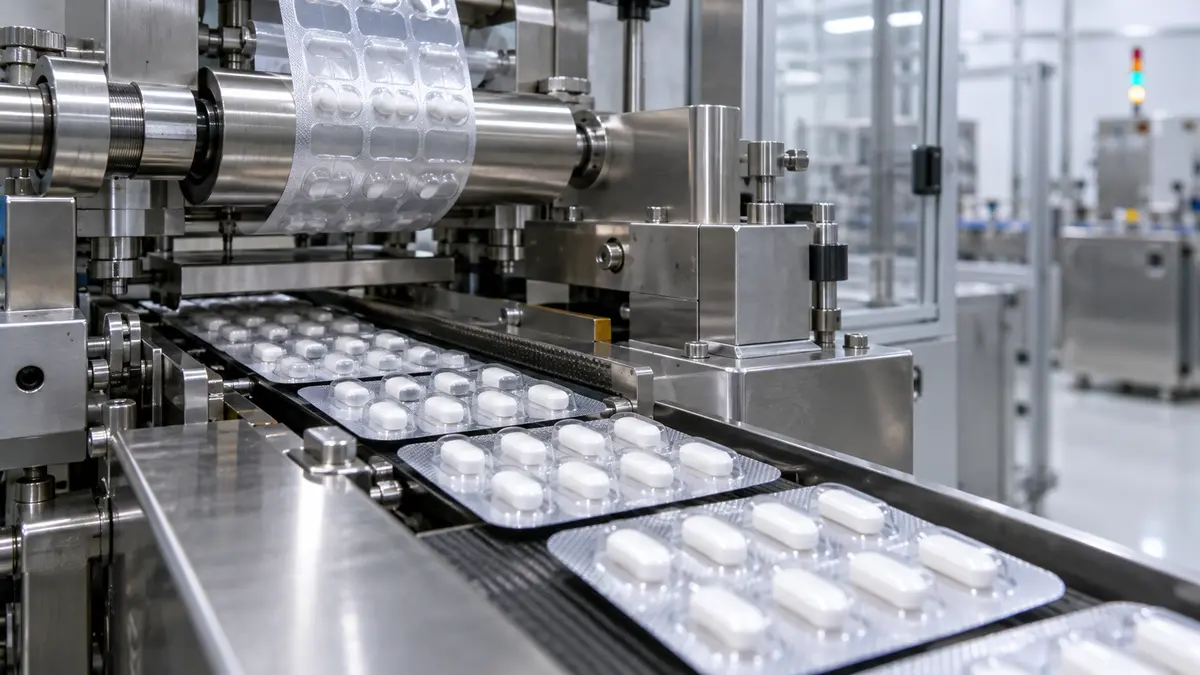
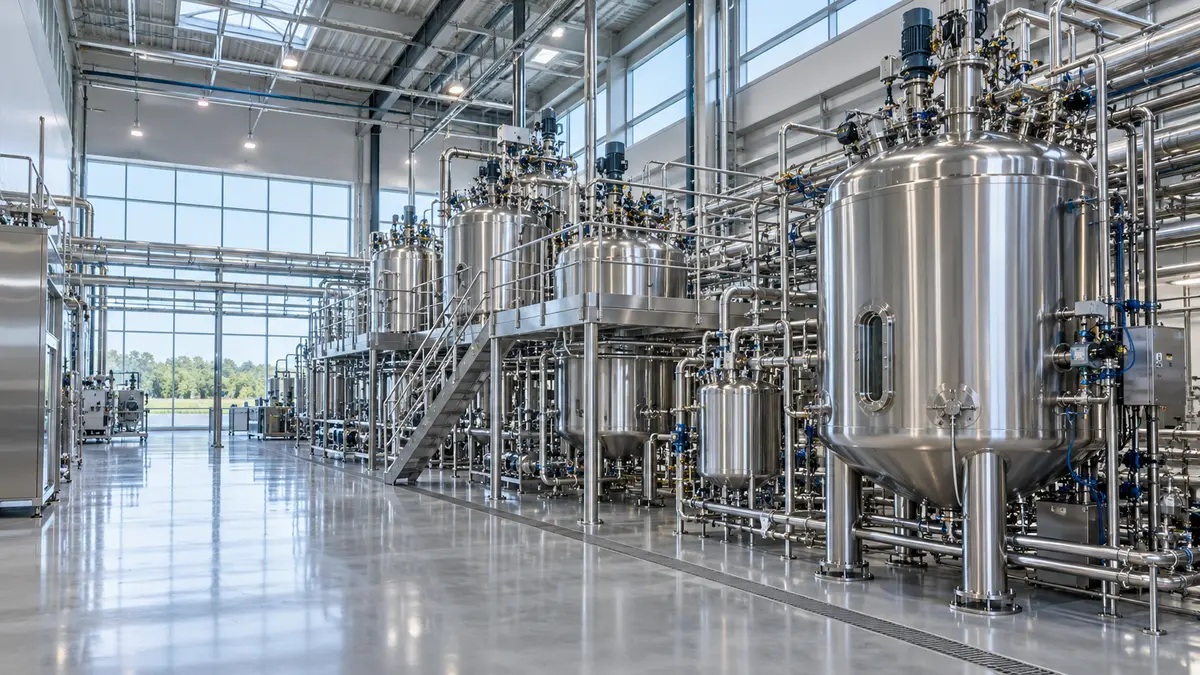
Bristol Myers Squibb plans a $2.3 billion manufacturing campus at Generation Park in Houston, Texas. The approximately 600,000-square-foot project is expected to create nearly 500 jobs, with construction between 2027 and 2030. Its modular design would allow capacity to be added or reconfigured. Planned manufacturing covers small-molecule medicines, biologics and antibody-drug conjugates. The site selection was announced on 10 August 2026.
Earlier manufacturing investment
On 23 February 2021, Bristol Myers Squibb described construction of a separate 244,000-square-foot cell-therapy facility at its 89-acre Devens campus in Massachusetts. That campus already supported process development and clinical and commercial production of biologic medicines. The new building was intended to allow rapid increases in capacity for cell-therapy products, with integrated digital systems and next-generation technologies. The company planned to hire several hundred employees over the following years. It described a supply network combining internal facilities in Bothell, Summit and Warren with external manufacturing in the United States, Europe and Japan.
The subsequent production approval
On 8 June 2023, BMS announced FDA approval for commercial production at the new Devens cell-therapy facility. It called the building the second significant expansion of the existing site and reported more than 500 new cell-therapy jobs. The operation was designed for autologous therapies, manufactured individually from each patient's own T cells. The company emphasised reliable quality supply and rapid turnaround for this production model. It also described plans to consolidate two Cambridge research facilities into a new Cambridge Crossing building later in 2023.
Adding a component supplier
An earlier 26 April 2023 announcement described an agreement with Novartis for a manufacturing facility and its operations in Libertyville, Illinois. The site had capabilities to produce viral vectors for both BMS CAR T therapies. Its planned transfer during 2023 remained subject to applicable closing conditions. The stated supply strategy combined in-house production with external partnerships. The company described viral vectors as a component used to engineer the patient's T cells. It expected the addition to support current and next-generation vector technology and increase future capacity.
- Libertyville: in-house viral-vector production.
- Devens: commercial cell-therapy manufacturing approval.
- Houston: a planned campus for multiple medicine types.
Company contacts
Bristol Myers Squibb. Media inquiries: media@bms.com. Website: bms.com.


Leave a comment