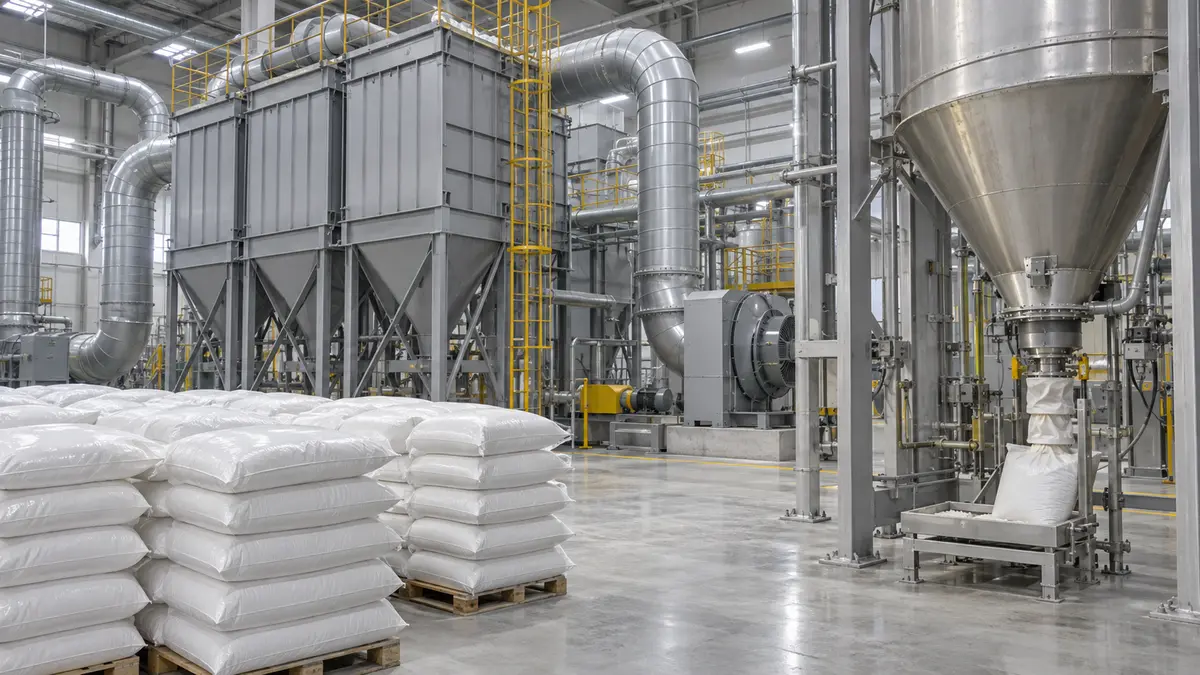
The factory opening
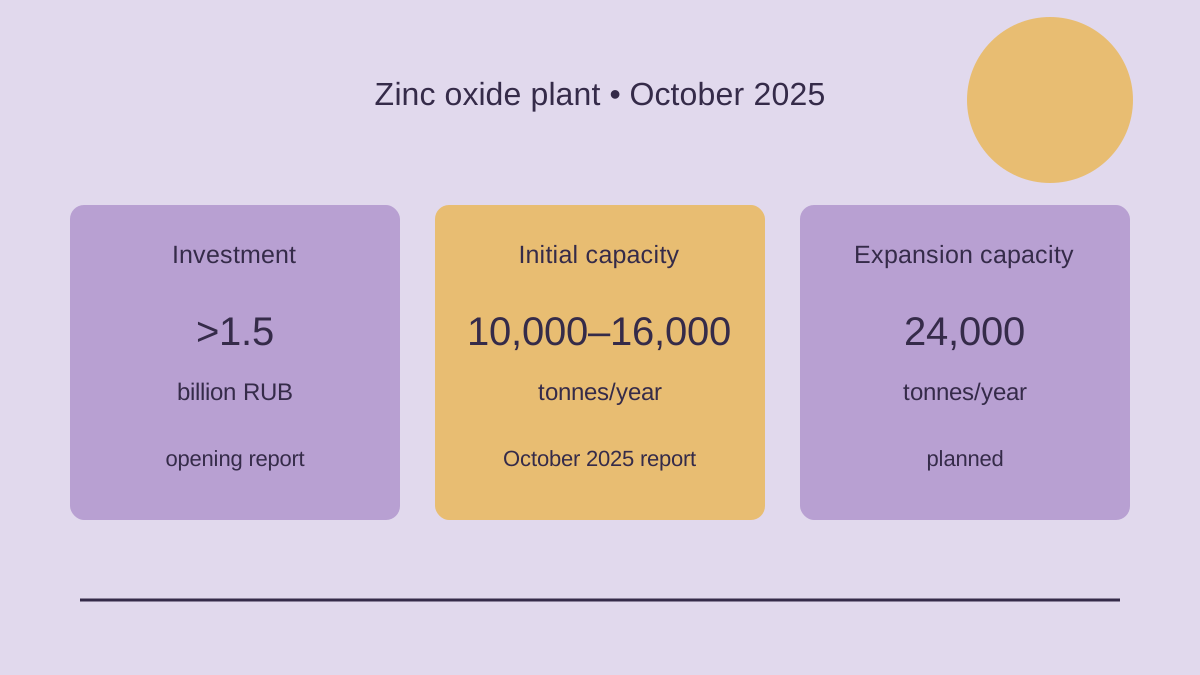
Empils-Zinc commissioned a zinc oxide factory in Rostov-on-Don, Russia, on 15 October 2025, the regional governor's press service reported through Interfax. Investment exceeded 1.5 billion roubles. Initial annual capacity is 10,000–16,000 tonnes, with expansion to 24,000 tonnes envisaged. Governor Yury Slyusar launched the plant. Its equipment includes automation, recovery, extraction and filtration systems.
The earlier construction milestone
Kommersant reported construction completion on 9 July 2025. Production facilities had moved from the city centre to the northwestern industrial zone. The planned granulated product would be manufactured by dry pressing under high pressure without binders. At that stage, the initial capacity forecast was fifteen to twenty thousand tonnes a year, and commissioning was expected in the second half of 2025. The report also identified the company's registration in Rostov in 2005, its dyes-and-pigments business classification and general director Dmitry Dyachenko. These were the construction-stage plans preceding the October commissioning announcement.
How zinc oxide is produced
The manufacturer's technical process description explains the indirect, or French, method:
- Metallic zinc is prepared for loading into muffle furnaces.
- Heating produces zinc vapour, which reacts with oxygen in air.
- The resulting zinc oxide aerosol moves through cooling and filtration equipment.
Filters separate the solid oxide from the gas stream, with automatic regeneration cleaning the filter elements. The description also specifies emission-spectrometer checks on incoming zinc, control of process parameters at each stage, and laboratory testing of finished material against product standards and customer requirements.
Product specifications and applications
Empils-Zinc's product documentation distinguishes zinc oxide grades by specification and intended application. Its BC0M table requires at least 99.7 per cent zinc compounds expressed as zinc oxide, while its pure zinc oxide table specifies at least 99 per cent. The latter description addresses heavy-metal content and identifies pharmaceutical, cosmetic and dental uses. The Tyre Quality grade is designed for tyre manufacturing, with a specified surface area of four to seven square metres per gram. The catalogue lists granulated zinc oxide applications in rubber compounds, coatings, electrical cable, glass, ceramics and catalysts.





Leave a comment