First ethylene
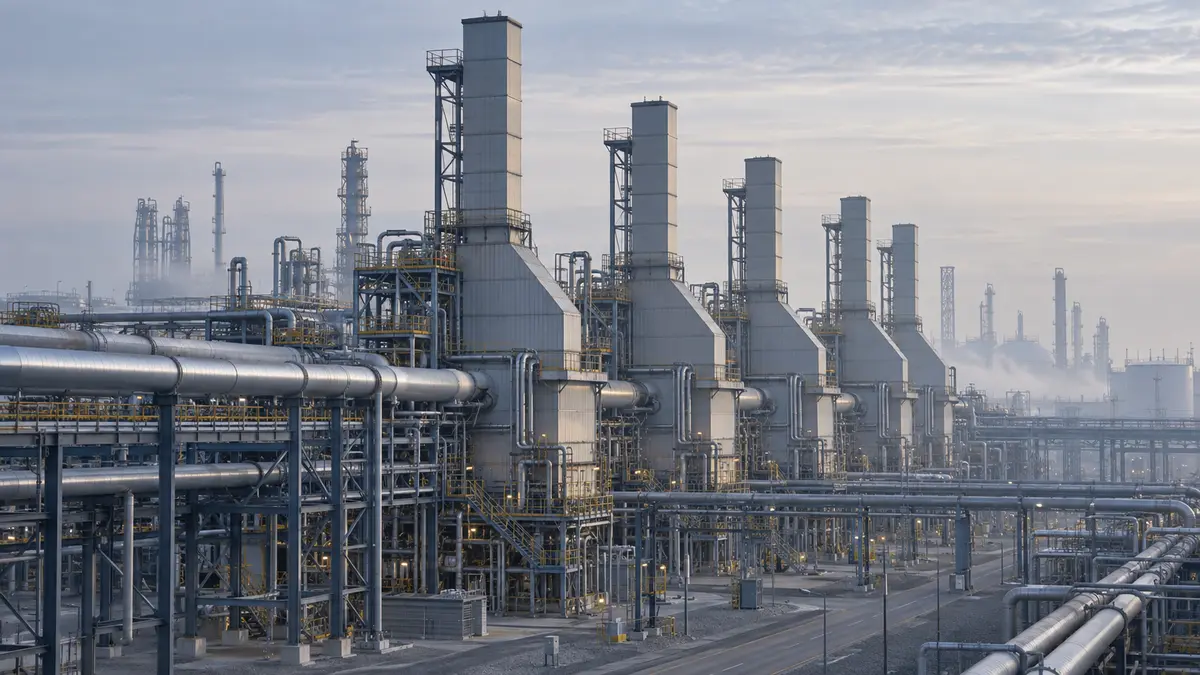
Nizhnekamskneftekhim, part of Sibur, produced its first ethylene during EP-600 commissioning, its press service told Interfax on 21 January 2025. The product had been sent to Nizhnekamskneftekhim and Kazanorgsintez for further processing.
- Design capacity targeted by end-2025.
- Reported project investment: about 200 billion roubles.
Earlier financing agreement
Deutsche Bank's release of 25 May 2018 described an agreement signed at the St. Petersburg International Economic Forum in Russia. The bank would arrange approximately €807 million of syndicated financing backed by Euler Hermes export-credit cover, with a tenor of 14 years and nine months. The funding concerned an ethylene unit under an engineering, procurement and licensing contract with Linde. That release envisaged commissioning in 2022 and annual capacity of 600,000 tonnes of ethylene plus more than 600,000 tonnes of other chemicals. It also provided for independent environmental monitoring.
Processing plans reported in April 2024
On 8 April 2024, Interfax reported that Sibur was considering a 250,000-tonne-per-year polystyrene project, with construction to finish no later than 2028. Executive director Alexander Petrov had identified styrene and polystyrene among possible uses of EP-600 ethylene. Sibur chief Mikhail Karisalov said the complex would allow a 150,000-tonne increase in polyethylene output at Kazanorgsintez after reconstruction. Some ethylene was intended for the hexene production chain in Nizhnekamsk; other volumes had not been assigned to processing projects. EP-600's specified throughput was 1.8 million tonnes of straight-run gasoline annually, yielding 600,000 tonnes of ethylene and derivatives.
The planned transport connection
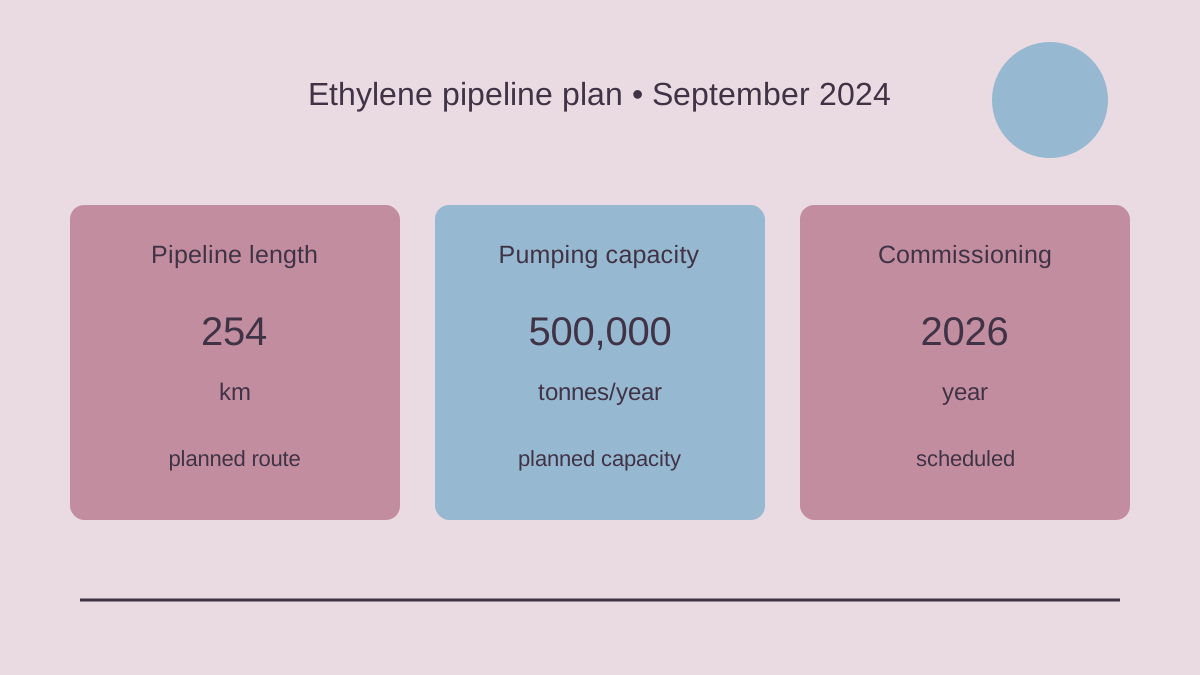
In a separate Interfax report dated 25 September 2024, Sibur outlined a new Nizhnekamsk–Kazan ethylene pipeline to replace the line built in 1976. Its planned length was 254 kilometres, with commissioning scheduled for 2026. The company expected annual pumping capacity of 500,000 tonnes, approximately 2.5 times that of the existing connection. Sibur said the larger-diameter line would support Kazanorgsintez's polyethylene projects and stable operation of EP-600. A new route bypassing Kazan would cost more but improve operating safety and avoid additional protective zones restricting the city's development, the company stated.


Leave a comment